جيل زد، من هو؟

مريم عسكر*

 العدد 54 شتاء 2021

يقول الله تعالى: “وَلَوْ شَاءَ رَبُّكَ لَجَعَلَ النَّاسَ أُمَّةً وَاحِدَةً وَلَا يَزَالُونَ مُخْتَلِفِينَ” (سورة هود، الآية 118).
الاختلاف بين الخلق هو من سنن الله في هذا الكون وأساس في استمرار الحياة، ويدخل الاختلاف في مجالات عدة منها الاختلاف بالشكل، أو اللون، أو اللغة، أو التقاليد أو غير ذلك. وكما يوجد اختلاف بين الأفراد يوجد أيضاً بين الأجيال، فكل جيل يختلف عن الآخر بحسب الظروف المحيطة به والتي تلعب دوراً مهماً في تشكيل خصائص الجيل.

تعدد الأجيال:
التزم مركز (Pew Research Center) على مدى عقود بدراسة مواقف الناس من قضايا معينة وتسجيل الاختلافات بينهم بحسب الجيل، بغرض دراسة التغيرات الاجتماعية والاقتصادية على فترات من الزمن. ووفقاً لمركز (Pew) تنقسم الأجيال بحسب سنة الميلاد إلى الفئات الآتية مع الإشارة إلى اختلاف سنة الميلاد لكل جيل من مصدر لآخر:
– الجيل الأكبر ولد في عام 1924 وما قبل
– الجيل الصامت 1925-1945
– المواليد الجدد 1946-1964
– جيل اكس (X) 1965-1980
– جيل الألفية (Millennial) ويسمّى أيضاً بجيل واي (Y) 1981-1996
– جيل زد (Z) ولدوا في عام 1997
وبحسب الباحث (Mark McCrindle) فإن جيل ألفا (alpha) هو الجيل الذي يأتي بعد جيل زد وتبدأ سنة ميلاده عام 2010(1).

من هو جيل زد؟
أولاً يُعرف أيضًا باسم Gen Z أو iGen أو المئوية، ويشير إلى الجيل الذي وُلد عام 1997 أي بعد جيل الألفية. نشأ هذا الجيل على شبكة الإنترنت ووسائل التواصل الاجتماعي(2) ووفقا لمركز (Pew Research Center) يقيم غالبية هذا الجيل في المناطق الحضرية و 13% منه فقط يعيشون في المناطق الريفية كما التحق 64% من نساء هذا الجيل بالجامعة بزيادة 57% عن جيل الألفية و43% عن جيل اكس(1).
لا لوسائل التواصل الاجتماعي
وفقا لأحدث تقرير من (Fullscreen) والذي يستند إلى ردود 1500 من الأشخاص الذين تتراوح أعمارهم بين 13 و38 عامًا، إلى جانب 3 آلاف عضو من الجيل الأول من الألفية الجديدة، يتمنى أكثر من نصف جيل زد وجيل الألفية حياة بدون وسائل التواصل الاجتماعي، إذ يعترف 83٪ بأن مزاجهم يتأثر بعدد الإعجابات والتعليقات والمشاركات التي يتلقونها على المحتوى الاجتماعي الذي ينشرونه.
علاوة على ذلك، يعتقد 54٪ أن الاتصال المستمر بأجهزتهم يزيد من سوء حالتهم العقلية، في حين يقول 51٪ أنهم يفكرون في كثير من الأحيان حول شكل الحياة بدون وسائل التواصل الاجتماعي(3).

الخصائص السبع التي تميز جيل زد بحسب كتاب (Generation Z Unfiltered) للكاتب تيم ألمور (Tim Elmore)(4):
1- هم أكثر خصوصية:
وفقا لمؤشر (Global Web Index)، يُعتبر جيل زد أكثر سرية من جيل الألفية ولا ينشر معلومات خاصة عنه ويتعامل بسريّة في ما يتعلق بملفّه الشخصي، لذلك يفضل مشاركة رسالة التلاشي (story) خاصة على موقع (Snapchat)، وهي منشور يظهر فقط لمدّة 24 ساعة ثمّ يختفي، فيكون من المستحيل الحصول عليه مجدّداً. ويبذل ما يقرب ستة من كل عشرة أشخاص جهودًا واعية لقضاء وقت أقل على مواقع التواصل الاجتماعي.
يعود ذلك إلى وقوع جيل الألفية فريسة للملاحقين والمتنمرين وحتى أصحاب العمل الذين شاهدوا منشوراتهم على انستغرام (Instagram) أو فايسبوك (Facebook) واختاروا عدم توظيفهم بسبب تلك المنشورات.

2- هم أكثر قلقاً:
هذه الحقيقة هي “أساس” تقريبًا في حياة جيل زد. يعاني الأطفال والمراهقين من هذا الجيل من مشاكل في الصحة العقلية أكثر من أي جيل آخر في تاريخ الولايات المتحدة. وتعجز المدارس الثانوية والكليات عن تأمين عدد كبير من المستشارين لمساعدة الطلاب الذين يطلبون المساعدة لتخطي هذا القلق ولحل المشاكل الأخرى التي يعانون منها.
يعيش جيل زد بمفارقة إذ أن حياة هؤلاء سهلة وصعبة، الحياة سهلة وسريعة من حيث الانتقال بين وسائل التكنولوجيا ولكن صعبة من حيث الانتقال النفسي والعاطفي. مثال على ذلك يستطيع أيّ كان الهروب إلى المنزل من التنمّر الذي يعاني منه في المدرسة أو الجامعة، ولكن لا يستطيع فرد من جيل زد التخلص من هذا التنمّر إذ يلاحقه إلى بيته عبر مواقع التواصل الاجتماعي.
وهم مع تعرّضهم لكمٍ كبيرٍ من المعلومات واطلاعهم اليومي على المآسي التي تحصل في أنحاء العالم عبر الهاتف الذكي فليس من الضروري أن يكونوا على استعداد للتعامل معها.

3- هم أكثر تعباً:
يستمدّ أفراد جيل زد هويّتهم من محيطهم والذي هو في تغيّر دائم، وتبيّن أن نسبة كبيرة من طلاب المدارس المتوسطة تستمدّ هويتها من وسائل التواصل الاجتماعي حيث يشعر الملايين بالقلق ويمضون لياليهم على شاشات الهاتف بدلاً من النوم، ويتغيّرون بشكل دائم استجابة للظروف.
ويعاني 11% من هذا الجيل من اضطراب نقص الانتباه مع فرط النشاط (ADHD).

4- هم أكثر ذكاءً تكنولوجياً:
يمضي جيل زد وقته في المنزل على الشاشة، بما يعادل وظيفة بدوام كامل (تسع ساعات في اليوم)، باستثناء الوقت الذي يمضيه لحلّ الواجبات الدراسية. ووفقًا لدراسة أجرتها “المعاهد الوطنية للصحة” عام 2018، يستخدم الأطفال الهواتف الذكية والأجهزة اللوحية وألعاب الفيديو أكثر من سبع ساعات في اليوم وهم أكثر عرضة لتجربة ترقق القشرة المبكرة، وهي الطبقة الخارجية للمخ التي تعالج التفكير والعمل. ووفقًا لبحوث التسويق من شركة (Sparks and Honey) للاستشارات، يقوم أطفال جيل زد بالعديد من المهام على خمس شاشات، وليس اثنين كما حدث لجيل الألفية.

5- هم أكثر ثقافة:
يتعرض جيل زد لكثير من المعلومات عبر وسائل التواصل الاجتماعي مما يجعله أكثر وعياً وثقافة من الأجيال السابقة، يبدو هذا الأمر جيداً من ناحية، إلا أنه يسبب قلقاً كبيراً للأهل تجاه أطفالهم حيث يشعرون بالخوف وضرورة حمايتهم من معلومات قد لا يكونوا على استعداد للتعامل معها.
كما يُعتبر أفراد هذا الجيل حريصين على رأي الآخرين بهم.

6- لديهم روح مبادرة أكثر:
تعلّم جيل زد من جيل الألفية أنه ليس من الضروري اعتماد الطريق السهل والتقليدي لارتياد الجامعة والحصول على وظيفة. ويشعر أفراد هذا الجيل بالقدرة على تجاوز تسلق سلم الشركات وإنشاء شركتهم الخاصة أو العمل الحر وهم في العشرينيات من العمر. ووجدت دراسة أجرتها شركة (Sparks and Honey) عام 2014 أنه أراد 72% من طلاب المدارس الثانوية بدء مشروع تجاري وأنه بدأ حوالي ثلث الذين تتراوح أعمارهم بين السادسة عشرة والتاسعة عشرة بتحقيق هذا الأمر.

7-هم أكثر استعداداً للمواجهة:
يهتم جيل زد بالقيادة مقارنة بالأجيال الثلاثة السابقة وفقاً دراسة استقصائية عالمية لعام 2017 أجرتها (Universum)، ففي شهر مارس من عام 2018، شارك أكثر من 400 ألف مراهق في مسيرة من أجل دعم التشريعات التي تمنع العنف المسلح في الولايات المتحدة.

فيما يلي إحصائية قام بها (Deloitte Millennial) لمقارنة أولويات جيل زد بأولويات جيل الألفية(5):
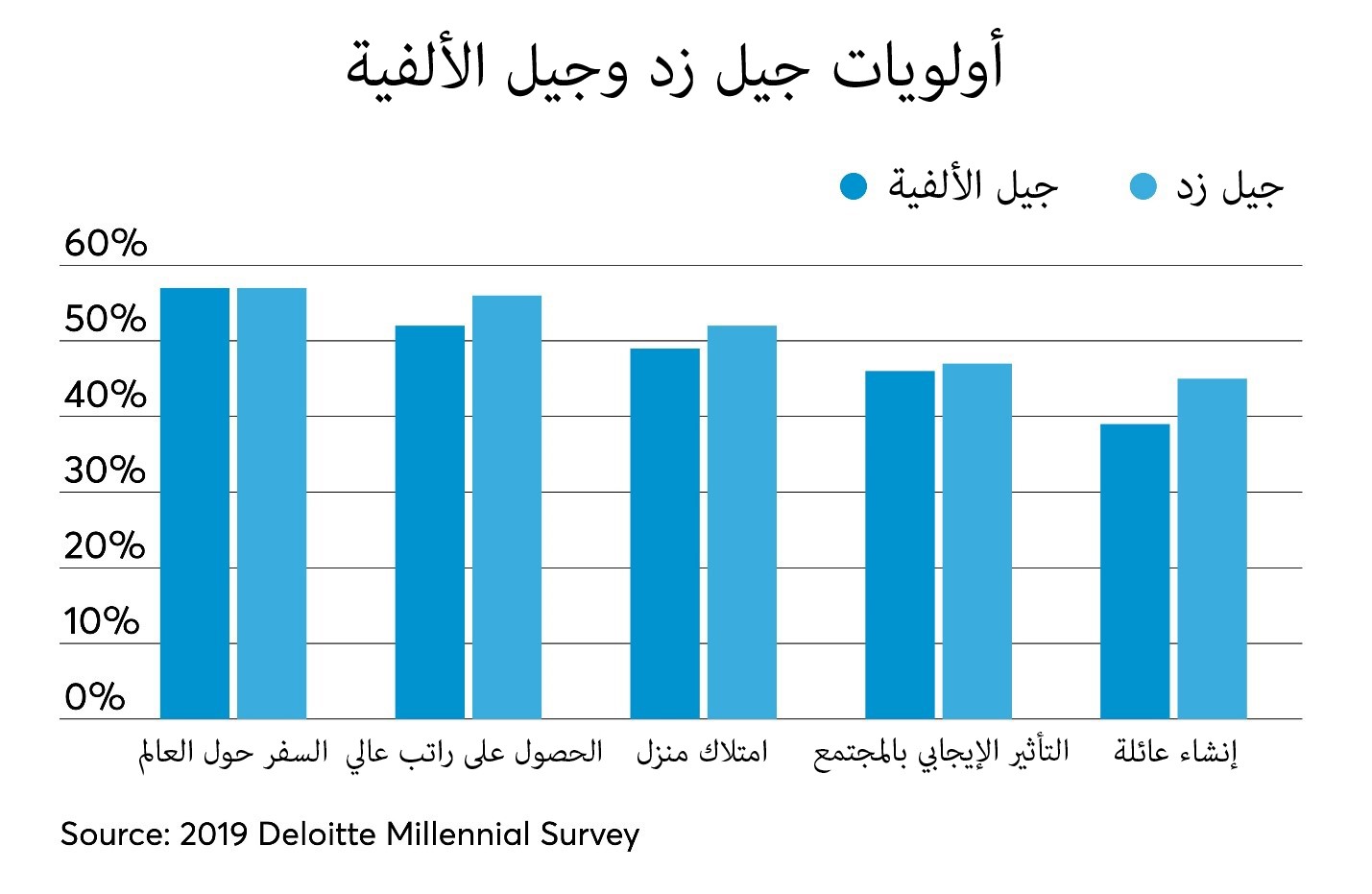
إذا أرادت الأمم أن ترتقي وتتطور فعليها أن تهتم بأجيالها القادمة وأن توفر لهم أسساً متينة ينشأ عليها جيل قوي يتحمل المسؤولية، يكون مسلحاً بالإيمان والعلم ولتحقيق ذلك لا بد من تعاون الدولة والأسرة ووضع استراتيجيات معينة للتعامل مع كل جيل بحسب الظروف التي يمر بها.


* من أصدقاء منتدى الإعجاز العلمي في القرآن والسنة –لبنان، من فلسطين.
المصادر:
(1): مقالة للاعلامي “جون ستوارت” (Jon Stewart) تحت عنوان ” American Generation Fast Facts” على موقع الـ CNN، رابط المقالة: https://edition.cnn.com/2013/11/06/us/baby-boomer-generation-fast-facts/index.html
(2): مقالة على موقع (Business Insider) تحت عنوان “Generation Z
LATEST CHARACTERISTICS, RESEARCH, AND FACTS”، رابط المقالة: https://www.businessinsider.com/generation-z
(3): مقالة لـ”غافين أومالي” (Gavin O’Malley) تحت عنوان “Report: Gen Z, Millennials Unhappy With Social Media’s Impact On Their Lives”، على موقع (Media Post)، رابط المقالة: https://www.mediapost.com/publications/article/338497/report-gen-z-millennials-unhappy-with-social-med.html
(4): مقالة على موقع (Growing Leaders) تحت عنوان “Seven Characteristics That Distinguish Generation Z”، رابط المقالة: https://growingleaders.com/blog/seven-characteristics-that-distinguish-generation-z/
(5): مقالة لـ “”شان ماكابي” (Sean McCabe) تحت عنوان ” Millennials and Gen Z less optimistic about future of traditional business, survey finds “، على موقع (Accounting Today) رابط المقالة: https://www.accountingtoday.com/news/millennials-and-gen-z-less-optimistic-about-future-of-traditional-business-survey-finds?fbclid=IwAR2LW5i0Ea8BzvD9pYs2MUjgq046pGZhwH-yMeXCF3VCiJ6rraGnc1n2Kvs

وظائف المستقبل في العام 2040

ترجمة د. ميساء بنات*

 العدد 54 شتاء 2021

تقرير صدر عن مؤسسة استشراف المستقبل (أبو ظبي) وهو تقرير مقتبس من تقرير خبير الاستشراف توماس فري. يتحدث عن الوظائف التي ستكون سائدة في العام 2040، وقد وزعت إلى عشرين فئة رئيسية.

تؤكد العديد من الدراسات العلمية الجادة أن كثيراً من الوظائف القائمة حالياً ستختفي في المستقبل، ولكن ستوجد التكنولوجيا وظائف أكبر من تلك التي ستقضي عليها. وسيكون للروبوتات دور ولكنها لن تسيطر تماماً على المشهد المستقبلي، ولن تلغي فيه الحاجة للعنصر البشري.

لذلك سيكون لأبنائنا أو أحفادنا في العام 2040 وظائف مستقبلية مختلفة عن وظائفنا، الحديث عنها اليوم أشبه بالحديث عن مغامرة شيّقة وممتعة.
ونحن في العام 2040 ماذا عن الوظائف الرئيسية المسيطرة على سوق الأعمال.

1ـ الروبوتات
بحلول العام 2040، لم تعد الروبوتات حكراً على الأغنياء والمهووسين بالتكنولوجيا فحسب، وإنما أصبحت مندمجة بشكل واسع الانتشار في حياتنا اليومية، حتى أن معظمنا يمتلك روبوتاً خاصاً به.
وأينما ولَّيت وجهك ستشاهد الروبوتات من حولك وهي تؤدي أدواراً مختلفة في قطاعات شتى. إننا في عام 2040 نعيش عالماً جديداً، مفعماً بالإثارة، تنفتح فيه آفاقاً جديدة للتوظيف والمهن المرتبطة بالروبوتات.

2ـ البيانات الضخمة
بعد أن دخلنا في بحوث أربعينيات القرن الحادي والعشرين، صرنا نعيش عبر البيانات الضخمة منها، كيفية علاج الأطباء للأمراض، وتحديد الشركات لرغبات المستهلكين وحركة السكان أو حركة السيارات وقد أدركت الشركات والمؤسسات مدى أهمية حاجتها إلى جمع هذه البيانات وتحليلها فازداد الطلب على المتخصصين في علوم البيانات.

3ـ طواقم العمل الخاصة لقيادة الطائرات بدون طيار
في عام 2040، أعيد تصميم المدن لتتناسب مع انتشار أجهزة الطائرات بدون طيار، التي باتت تحلّق في الجو بأعداد هائلة ومتزايدة بعد أن تناقصت تكلفتها بدرجة مذهلة، كما أكسبتها التطورات الهائلة في مجال الحوسبة قدرات ملاحية ذاتية جديدة. لقد باتت الطائرات من دون طيار على وشك تغيير كل شيء، من تعامل أجهزة الشرطة في تطبيق الأمن، مروراً بكيفية توصيل الطلبات ونقل البضائع للزبائن، ونقل الأدوية والدم بشكل آمن وفوري للحالات الحرجة. الأمر الذي أسهم في توفّر مئات الآلاف من فرص العمل.

4ـ خبراء في الصحة الشخصية
في عام 2040، بِتنا نعيش في عالم يكاد يخلو من المستشفيات بمفهومها التقليدي، نظراً للتطورات المذهلة
التي تم تحقيقها في مجال الطب التجددي، نحن الآن على وشك القضاء على الأمراض القلبية الوعائية، كما بتنا نشهد زيادة كبيرة في مدى العمر. علاوةً عى ذلك، ساعدنا الذكاء الاصطناعي كثيراً على تغيير طبيعة فهمنا للأمراض وطريقة فحص الجسم، الروبوتات الطبية تسهم من خلال أجهزة التصوير الخاصة بها في تشخيص الأمراض بسهولة، كما أنها تَصرف للمرضى الأدوية وتحقنهم بالمضادات الحيوية، وليس من المستبعد أننا على وشك إجراء عمليات جراحية عن بعد في منازلنا بواسطة الروبوتات فازداد الطلب على المتخصصين في الصحة الشخصية.

5- أنظمة الذكاء الاصطناعي المعززة للبشر الموظفين المستقلين
في عام 2040، ومع التطورات المذهلة التي شهدتها أنظمة الذكاء الاصطناعي وإتاحتها لِكمّ هائل من البيانات التي تتعلق بكل شيء من حولنا، ازداد الطلب كثيراً على مواهب قادرة على تحقيق أقصى استفادة من أنظمة الذكاء الاصطناعي في تعزيز القدرات البشرية. الأمر الذي فتح المجال أمام ظهور فرص وظيفية جديدة تخدم هذا القطاع.

6- النقل الذاتي
ثمة مركبات ذاتية القيادة تجوب الشوارع، وقد لا يتعينّ على السائق التدخّل أبداً ولم يعد بحاجة للنظر إلى السيارة التي أمامه أثناء الازدحام، وما عليه سوى أن يسترخي في سيارته ويدعها تتولى القيادة.
ومن الأخبار المفرحة أن هذه السيارات ذاتية التحكم أكثر أمناً وأكثر مرونة، كما أنها ساعدت بعض الفئات مثل كبار السن والأطفال وذوي الهمم، على تيسير التنقل وجعله أكثر سلاسة. فازداد الطلب على المتخصصين في هذا المجال.

7- تكنولوجيا البلوكتشين
باتت تكنولوجيا “البلوك تشن” “BlockChain” في عام2040 قادرة على إحداث تغيرات جذرية في قطاعات عدة: القطاع الحكومي، القطاع المالي والمصرفي، الرعاية الصحية، العقارات والتأمين. وفي ظل عالم “التواصلية الفائقة” الذي نحيا فيه، استطاعت تلك التكنولوجيا أن توفر فرصاً هائلة لزيادة الاستفادة من الإمكانات الكامنة في هذه الأجهزة المتصلة فيما بينها. كما أسهمت هذه التكنولوجيا في توفر العديد من فرص العمل والوظائف الجديدة.

8ـ الطباعة ثلاثية الابعاد
ثمة نجاحات ملموسة تحققت بفضل الطباعة ثلاثية الأبعاد في قطاعات عدة، لا سيما في ظل قدرتها على الجمع بين العوالم الرقميّة والماديّة والبيولوجيّة في آنٍ واحد. كما باتت الطباعة ثلاثية الأبعاد قادرة على إنتاج العديد من المكونات عالية التعقيد، بطريقة فعالة من حيث التكلفة، وبكميات إنتاج منخفضة نسبياَ ومصممة بحسب الطلب. الأمر الذي مكّن هذه التكنولوجيا الرائدة من فتح آفاق جديدة في عالم التوظيف، الذي أسفر عن ظهور العديد من الفرص الوظيفية.

9 – العملات الورقية المشفرة
في عام 2040 يبدو أن سوق العملات الرقمية أصبح مهيمناً على القطاع المالي والمصرفي، الأمر الذي أدى إلى ظهور وظائف جديدة تواكب ذلك التوجه.

10- مهندسو تصميم ومشرفو أنظمة استشعار
مع دخولنا في عام 2040، باتت أجهزة الاستشعار شيئاً اعتيادياً في حياتنا اليومية، إذ تغلغل أثرها في كل شيء، صارت تحيط بنا في كل مكان، في منازلنا، في طرقاتنا، في سياراتنا، في مكاتبنا، بل وفي أجسادنا. الأمر الذي فتح الباب أمام ظهور فرص وظيفية جديدة.

11- قطاع الفضاء
بفضل أنظمة الروبوت الحديثة، زرنا أكثر الأماكن التي باستطاعتنا الوصول إليها، كما باتت أنظمة الروبوت قادرة على إعفاء رواد الفضاء من مخاطر الرحلات الاستكشافية للفضاء. وبفضل دخولنا حقبة جديدة في الرحلات الفضائية، ظهر العديد من الوظائف التي تلبي احتياجات السياحة الفضائية.

12- التعدين الفضائي
يبدو أن حقبة التعدين الفضائي قد باتت تلوح في الأفق، لتقربنا خطوة إضافية من مستقبل فضائي حقيقي، ثمة تطور ملموس في تقنيات التعدين الفضائي.

13– توليد الطاقة عن طريق الاندماج النووي
باتت مفاعلات الاندماج النووي في وقتنا الراهن – 2040 – أقل تكلفة بشكل كبير، فهي تستطيع أن توفر طاقة نظيفة دون انبعاثات لغاز الكربون، بالإضافة إلى أنها غير موسمية كالطاقة الشمسية وطاقة الرياح.

14– الطب الجينومي (Genome)
نعيش الآن في عالم يستطيع فيه جميع الأشخاص الحصول على تسلسل جينومي خاص بهم. الأمر الذي ساعد بدوره في القضاء على العديد من الأمراض والاضطرابات النادرة، فضلاً عن التحديد المبكر للأشخاص المعرضين لخطر الإصابة بالأمراض. تمكّن الطب الجينومي من مساعدتنا على إعادة تشكيل الجنس البشري بسهولة، من أجل إضافة العضلات والطول وتغيير لون العيون ومكافحة الشيخوخة. الأمر الذي مكَّن الطب الجينومي من استيعاب أعداد متزايدة من الوظائف الجديدة التي لم تكن موجودة من عهدٍ قريب.

15- أنظمة التنقل الذكي عبر الأنابيب (الهايبرلوب – Hyperloop)
جعلت فكرة الهايبرلوب التنقل أسهل، ما أدى إلى إعادة ابتكار المواصلات العامة، وإعادة تعريف مفهوم السفر، وتعزيز التعاون عبر الحدود في كافة الدول حول العالم عبر خطوط الأنابيب بسرعة الصوت، الذي يتجاوز في سرعته سرعة بعض الطائرات.

16– الحوسبة الكمومية (Quantum)
في عام 2040، بعدما أتيحت الحواسيب الكمومية على نحو متزايد، أصبحت أجهزة الحاسوب قوية وسريعة بشكلٍ خارق، ولكنها تكاد تختفي عن أعيننا كونها متناهية الصغر. هذه الحواسيب ستتعرف على الصوت وتتعامل مع الإيماءات من قبل مستخدميها، لدى هذه الحواسيب القدرة على الكشف عن احتمالات الإصابة بالسرطان في وقت مبكر، ودعم السيارات ذاتية القيادة، هذه الحواسيب هي السبب الرئيسي في ظهور فرص وظيفية جديدة أكثر إنتاجية وجاذبية.

17– الواقع الممزوج / الهجين / المختلط Mixed Reality))
بفضل الواقع الممزوج أو المختلط، نرى الإنترنت وقد أطلق له العنان كي يقفز من الشاشة إلى العالم الخارجي، إذ يصبح الإنترنت متاحاً على الدوام وفي كل مكان. باتت الأجهزة الذكية قادرة على دمج الواقع مع الصور الرقمية بسهولة وواقعية، فتمزج بين العالم الحقيقي والخيالي بصورة غير مسبوقة. كما اتسع نطاق الواقع المختلط إلى العديد من القطاعات كالتعليم، والرعاية الصحية، والصناعة، والترفيه. الأمر الذي أسهم في ظهور مجموعة واسعة من الوظائف والتخصصات الجديدة.

18- اللحوم المزروعة مخبرياً
باتت اللحوم المنتجة مخبرياً تمثل حلاًّ حقيقياً لأضرار البيئة الناتجة عن الزراعة الحيوانية. كما انخفضت تكلفتها انخفاضاً كبيراً خلال الأعوام القليلة الماضية. الأمر الذي مكّنها من إحراز نجاحات إيجابية في منافستها للّحوم الحقيقية. كما استطاعت هذه النوعية من اللحوم ذات التكلفة التنافسية إحداث سلسلة تغيرات كبيرة في سوق الأغذية العالمي والبيئة. الأمر الذي أسهم في ظهور مجموعة واسعة من الوظائف والتخصصات الجديدة.

19- تكنولوجيا انترنت الاشياء LOT والمنازل المؤتمنة
يوماً بعد يوم، تتزايد عدد الأجهزة والخدمات المنزلية المتصلة بالإنترنت، بحيث تصبح منازلنا “مؤتمتة” بالكامل. كما نرى الكثير من التناغم في منازلنا بفضل التواصلية الفائقة التي تربط كافة الأجهزة والخدمات المتوافرة بها. ثمة إعصار هائل من البيانات سيتدفق بفعل تلك التكنولوجيا، الأمر الذي يحدو بنا لتطوير مهاراتنا وقدراتنا في إدارة تلك المنازل الذكية بما يعزز رفاهيتنا. ومن الملموس أن هذا التوجه قد أثار موجة عارمة من التفاؤل في سوق التوظيف لما يتيحه من فرص جديدة.

20– أنظمة التعلم الذكي القائمة على الروبوتات المدعومة بتكنولوجيا الذكاء الاصطناعي
عام 2040، أصبح بمقدور المعلم ترك التلميذ بمفرده، وذلك لأن الروبوتات صارت تُستخدم كوسيلة فعالة للتعليم في مدارسنا الذكية خاصة تلك المهارات المتعلقة بالتكنولوجيا الحديثة. ولعل ما ساعد على التوسع في ذلك التوجه كون الآلات الذكية أصبحت قادرة على التكيف بدرجة عالية مع أساليب تعليم الأطفال المتعددة. أعني بذلك قدرتها على قراءة تعبيرات وجه التلاميذ، ما يعني اختفاء فصول الدراسة على النحو الذي كان سائدًا في الماضي. الأمر الذي أدى إلى إحداث نمط جديد من الوظائف.

الخاتمة
عادة ما يذهب الخيال بالناس بعيداً وهم يفكرون في تأثير التكنولوجيا على المهن والوظائف في المستقبل، فتقفز عقولهم إلى سيناريوهات الخيال العلمي المبالغ فيها، أن يصل الأمر إلى تولي الروبوتات المناصب الإدارية العليا، أو تلك الروبوتات المارقة التي تحاول إنهاء الجنس البشري وتشريده.
لكننا عادةً ما نغفل حقيقة مفادها أن الإنسان هو المحرك دوماً لكافة عمليات التطوير التكنولوجي، وسيبقى ذلك إلى الأبد. فبإمكاننا تسخير التكنولوجيا لخدمة هذا العالم، بحيث نستخدمها ولا تستخدمنا. وما علينا سوى أن ندرك الأخطار ونحددها، ونوظف أفضل إدارة ممكنة لها، وأن نكون على أهبة الاستعداد لوقوع أية عواقب ممكنة.
جميل أن نتخيل المستقبل كما يروق لنا، بيد أننا مطالبون بضرورة السعي الحثيث نحو قراءة المشهد المستقبلي بدرجة عالية من الموضوعية، دونما تقليل للفرص أو تهويل للمخاطر والتحديات. علينا جميعاً أن نفتح آفاقنا لتخيل المستقبل شريطة أن يكون ذلك التخيل مثمراً وخلاقاً.
ختاماً؛ ينبغي التأكيد على ضرورة التحرك جدياً نحو المستقبل. وفي هذه الأثناء، علينا أن نقّيم جيداً مدى استعداداتنا للمستقبل، وأن نطلق العنان لخيالنا الإبداعي كي نحدد أهدافنا ورؤانا المستقبلية، كما ينبغي أن نكون منصفين في تحديد موضعنا الحالي في مسار هذه الرحلة المشوقة.


*أستاذة في جامعة رفيق الحريري، وعضو منتدى الإعجاز العلمي في القرآن والسنة

Guardians of the Natural Order

Fazlun Khalid*

The Islamic approach to environmental protection…
In our eagerness to ‘progress’ and ‘develop’ we have lost sight of the finite and delicate nature of planet Earth and of humanity’s place in it. Islamic teaching offers an opportunity to understand the natural order and to define human responsibility. It could be said that the limits of the human condition are set within four principles – Tawheed, Fitra, Mizan and Khalifa.
Tawheed is the fundamental statement of the oneness of the Creator, from which everything else follows. It is the primordial testimony to the unity of all creation and to the interlocking grid of the natural order of which humanity is an intrinsic part. God says of Himself in the Qur’an:
Say; He is God, One, God, the Everlasting Refuge (Quran 112:1-2)
and about creation:
To Him belongs whatsoever is in the heavens and the earth, all obey his will And it is He who originates creation … (Quran 30:25)
The whole of creation – being the work of one Originator – works within one stable pattern, however complex it may be. Another verse in the Qur’an refers to the heavens and the Earth as extensions of God’s throne, thus conveying the idea that creation was designed to function as a whole. Each of its complimentary parts, including humankind, plays its own self-preserving role, and in so doing supports the rest.

The Fitra describes the primordial nature of creation itself and locates humankind in it. The Qur’an says:
So set thy face to the religion, a man of pure faith – God’s original upon which He originated mankind. There is no changing God’s creation. That is the right religion;
But most men know it not (Quran 30:29)
God originates humankind within His creation, which He also originated. Humanity is then inescapably subject to God’s immutable laws, as is the rest of creation. Creation cannot be changed: global warming can be seen, in this light, as the Earth’s endeavor to maintain a balance in the face of the human assault against it.

The Mizan is the principle of the middle path. In one of its most eloquent passages the Qur’an describes creation thus:
The All-Merciful has taught the Qur’an.
He created man and He taught him the explanation.
The sun and the moon to a reckoning, and the stars and trees bow themselves;
and heaven – He raised it up and set the balance.
Transgress not in the balance, and weigh with justice, and skimp not in the balance.
And earth – He set it down for all beings, therein fruits and palm trees with sheaths, and grain in the blade, and fragrant herbs.
Of which your Lord’s bounties will you and you deny? (Quran 55:1-12)

God has singled out humans and taught them reason – the capacity to understand. All creation has an order and a purpose. If the sun, the moon, the stars, the trees and the rest of creation did not conform to the natural laws – ‘bow themselves’ – it would be impossible for life to function on Earth. So we have a responsibility not to deny the ‘Lord’s bounties’ and actively to recognize the order that is around us, for ourselves, as much as for the rest of creation.
Khalifa – or the role of stewardship – is the sacred duty God has ascribed to the human race. There are many verses in the Qur’an that describe human duties and responsibilities, such as the following which aptly summarizes humanity’s role:
It is He who has appointed you viceroys in the earth (Quran 6:165)

Humankind has a special place in God’s scheme. We are more than friends of the Earth – we are its guardians. Although we are equal partners with everything else in the natural world we have added responsibilities. We are decidedly not its lords and masters.
We may deduce from these four principles that creation, although quite complex and yet finite, only works because each of its component parts does what is expected of it – in the language of the Qur’an, submits to the Creator. Humanity is inextricably part of this pattern. The role of humans – who uniquely have wills of their own and are thus capable of interfering with the pattern of creation – is of guardianship. This added responsibility imposes limits on their behavior and should lead to conscious recognition of their own fragility. They achieve this by submitting themselves to the divine law.

Until quite recently the human race – both rebels and conformists, the ignorant and the enlightened, whether in small self-governing communities or vast empires, barbarian tribes or points of high civilization – functioned unconsciously within natural, unwritten boundaries. It had an intuitive disposition to live within the Fitra, though this was only achieved by conscious recognition of the existence of a superior force, the divine. This was an existential reality, neither idyllic nor utopian.

We are clearly no longer functioning within these limits. Two events in 16th and 17th century Europe allowed the human species to break free from the natural patterning of which it had always been part. One was the appearance of the Cartesian world view, which propounded a dualism that separated mind and matter and allowed for the development of science on purely mechanistic lines. Cartesian skepticism brushed aside the accumulated wisdom of the ages and sowed the seeds of doubt. From then on humanity began to worship itself: in Descartes’ own words humans were ‘lords and masters of creation’. They now had reason on their side to support them in their acts of predation.

This period also saw the laying of the foundations of the banking system to which we are all now in thrall. Bankers have, in Islamic terms, sabotaged the Mizan of creation by not only charging interest but by doing so on money which they create endlessly out of nothing. This explosion of artificial wealth provides the illusion of economic dynamism: but in reality it is parasitic. Endless credit devours the finite Fitra. If kept up, this would eventually result in the Earth looking like the surface of the moon.

People who lived in the pre-Cartesian dimension, that was before we were told that nature was there to be plundered, were basically no different from us. They had the same positive and negative human attributes, but the results of human profligacy were contained by the natural order of things, which transcended technological and political sophistication and even religious disposition. Excess in the natural order was contained because it was biodegradable. When old civilizations, however opulent, profligate, greedy, or brutal died, the forest just grew over them. They left no pollutants, damaging poisons or nuclear waste. By contrast, and assuming we survive as a species, archaeologists excavating our present rampant civilization are going to have one or two problems…


*Complete article is found on the web site www.IslamiCity.com.
Fazlun Khalid is the Founder Director of the Islamic Foundation for Ecology and Environmental Sciences, the International Convener of the Alliance of Religion and Conservation, and a consultant to World Wildlife Federation (WWF). He is author of Qur’an, Creation, and Conservation and editor, with Joanne O’Brien, of Islam and Ecology (Cassell, 1992).Source: Our Planet.
The Qur’anic references are from ‘The Koran’ Interpreted by A. J. Arberry, 1983, The World Classics Series, Oxford University Press.

Why Canadian Rosie Gabriell Converted to Islam

Canadian Explorer who traveled solo, through Pakistan Converted to Islam

Batule Youssef Dahi*

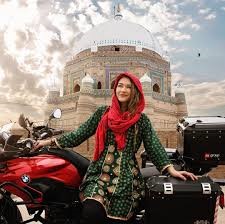
A cyclist eager to explore the world, Rosie Gabrielle, a Canadian citizen, has quit her job for a solo bike ride and headed to Pakistan. Her love for bikes began when she was only twelve years old. She rides her journeys alone yet she is never lonely. According to Rosie, she believes that each country is distinctive and exceptional in its scenery and that what makes riding solo peculiar.
As a child, Gabrielle showed a unique relation with the creation and that with God. She has suffered agony and hatred across her years wondering why me? In 2016, Rosie began her path of spiritual discovery questioning her religion. Seeking the great divine in reach for her inner peace and alignment, she denounced her religion 4 years ago.

Heading to Pakistan, she encountered people of the purest hearts and souls deeply connected with the Creator. Having lived in Islamic countries for over than 10 years, Gabrielle has unleashed and discovered the true meaning of Islam in Pakistan. Islam means “Salam’ which is Peace, according to Rosie. She contents the prejudice and claims against Islam and states that the core meaning of Islam is Peace, Love and Oneness. As we quote her from her Instagram account “It’s not a religion, but a way of life. The life to humanity, humility and love”.

At the verge of a new decade and at the beginning year of 2020, Rosie has announced her “Shahada” and affirmed her oneness as being already a Muslim.

Rosie Gabrielle is just an example of a desperate soul seeking her path into inner peace and connectivity with her creator God. She has shared her personal experience on a wide scope on the social media when at times Islam is being accused of extremisms and terrorism. People shall revert back to Islam, a religion of oneness, justice, peace, love and endurance. To all the people reading this it is the time to admit that ISLAM is not a religion with rules it is the bright way to a rainbow path of life.


*Batule Dahi is a friend of Iijaz Forum

The West stole 1001 inventions from Muslims

The biggest theft in history (A German documentary)*

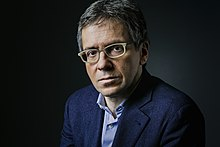
This U.S. Professor imagined the world without Muslims & found out the most surprising results! (…)

Professor, Ian Bremmer, highlighted all the inventions made by Muslims, right from toothbrushes to hospitals. Without Muslims you wouldn’t have:
Coffee
Cameras
Experimental Physics
Chess
Soap
Shampoo
Perfume/spirits
Irrigation
Crank-shaft, internal combustion engine, valves, pistons
Combination locks
Architectural innovation (pointed arch -European Gothic cathedrals adopted this technique as it made the building much stronger, rose windows, dome buildings, round towers, etc.)
Surgical instruments
Anesthesia
Windmill
Treatment of Cowpox
Fountain pen
Numbering system
Algebra/Trigonometry
Modern Cryptology
3 course meal (soup, meat/fish, fruit/nuts)
Crystal glasses
Carpets
Checks
Gardens used for beauty and meditation instead of for herbs and kitchen.
University
Optics
Music
Toothbrush
Hospitals
Bathing
Quilting
Mariner’s Compass
Soft drinks
Pendulum
Braille
Cosmetics
Plastic surgery
Calligraphy
Manufacturing of paper and cloth

It was a Muslim who realized that light ENTERS our eyes, unlike the Greeks who thought we EMITTED rays, and so invented a camera from this discovery.

It was a Muslim who first tried to FLY in 852, even though it is the Wright Brothers who have taken the credit.

It was a Muslim by the name of Jabir ibn Hayyan who was known as the founder of modern Chemistry. He transformed alchemy into chemistry. He invented: distillation, purification, oxidation, evaporation, and filtration. He also discovered sulfuric and nitric acid.

It is a Muslim, by the name of Al-Jazari who is known as the father of robotics.

It was a Muslim who was the architect for Henry V’s castle.

It was a Muslim who invented hollow needles to suck cataracts from eyes, a technique still used today.

It was a Muslim who actually discovered inoculation, not Jenner and Pasteur to treat cowpox. The West just brought it over from Turkey

It was Muslims who contributed much to mathematics like Algebra and Trigonometry, which was imported over to Europe 300 years later to Fibonnaci and the rest.

It was Muslims who discovered that the Earth was round 500 years before Galileo did.
And the list goes on…


* Ian Arthur Bremmer is an American political scientist specializing in U.S. foreign policy, states in transition, and global political risk. He is the president and founder of Eurasia Group, a political risk research and consulting firm, that provides analysis and expertise about how political developments and national security dynamics move markets and shape investment environments across the globe.
Reference: a German documentary published on Sep 12, 2019.
www.youtube.com/watch?v=L1boEHaKAzE

Eating Gold: A Viral Food Trend

Yasmine Abu Adla*

Coating food with edible gold leaves has become a viral food trend on social media. “Serendipity 3” was one of the pioneer restaurants that began serving edible gold food [1]; they came out with $25,000 chocolate sundae that contains 5 grams of 23-karat gold served in a gold goblet. The “Manila Social Club” restaurant in Brooklyn, New York has started serving gold-covered doughnuts and charge up to $1,200 for the dozen. Meanwhile, in Malta, $2,400 gold topped pizza is being served in “Margo’s Pizzeria” [2].

Many researchers have claimed that since the gold used is at least 90 percent pure, then no health risks will be associated with its consumption. However, according to a recent trial conducted in India [3] the opposite is quite true. During the trial, participants had to ingest 0.16 grams of gold foil hereafter, blood samples were taken at the beginning and at the end of the trial for comparison sake.

The blood samples were clinically analyzed to check the levels of sugar, urea, creatinine, uric acid, cholesterol, HDL-cholesterol, triglycerides, bilirubin, total proteins, albumin and the enzymes—GOT, GPT, ALP, LDH, GGT, CPK, and CPK-MB.
The test results revealed that gold had no toxic effect on the kidneys since the levels of blood urea, creatinine, and uric acid came back normal. Additionally, all the blood values before and after gold ingestion were well within the normal range.

However, the activity of all blood enzymes has decreased upon participating in the trial. In fact, a substantial decrease, which reached up to 25%, was seen in the enzymatic activity of serum enzymes, such as Creatine Phosphokinase (CPK) and Lactate Dehydrogenase (LDH). To illustrate, the CPK enzyme is a protein that helps to elicit chemical changes in the human body and can be found in the heart, brain, and skeletal muscles [4]. CPK catalyzes the reaction of creatine and adenosine triphosphate (ATP) to phosphocreatine and adenosine diphosphate (ADP). The phosphocreatine created from this reaction is used to supply the brain, skeletal muscles, and the heart with substantial amounts of ATP (energy) [5]. Similarly, LDH is an enzyme involved in energy production in almost all the body’s cells. It is found with the highest levels in the cells of the heart, liver, muscles, kidneys, lungs, and in blood cells [6]. Therefore, ingestion of gold inhibits the activity of these enzymes, which are vital for providing human cells with enough energy.

So what is Islam’s point of view regarding such a topic? In a similar perspective, Umm Salamah reported: “The Messenger of Allah, peace and blessings be upon him, said, “Whoever drinks from a vessel of gold or silver has only filled his stomach with the fire of Hell.”. Al-Bukhaari (5633) and Muslim (2067) from Hudhayfah (may Allah be pleased with him), according to which the Prophet (peace and blessings of Allaah be upon him) said: “Do not drink from vessels of gold and silver, for they are for them in this world and for you in the Hereafter.” Therefore, prophet Mohammad (Peace be upon him) went even further than ingesting gold to forbidding Muslims from eating and drinking in gold plates and cups.


* Yasmine Abu Adla is a Friend of IIJAZ FORUM
[1] https://www.cnbc.com/2017/08/24/what-its-like-to-eat-serendipity-3s-1000-golden-opulence-sundae.html
[2] https://www.americanbullion.com/the-weird-trend-of-eating-gold/
[3] https://www.ncbi.nlm.nih.gov/pmc/articles/PMC3689329/
[4] https://www.hopkinslupus.org/lupus-tests/clinical-tests/creatine-phosphokinase-cpk/
[5] https://www.ncbi.nlm.nih.gov/books/NBK546624/
[6] https://labtestsonline.org/tests/lactate-dehydrogenase-ld

Corona Virus: An Islamic Perspective

Adil Saleem*

Allāh has blessed us with a religion that is complete and perfect for all times and places. Allāh tells us in the Qur’ān: “This day I have perfected for you your religion and completed My favor upon you and have approved for you Islam as your religion”.
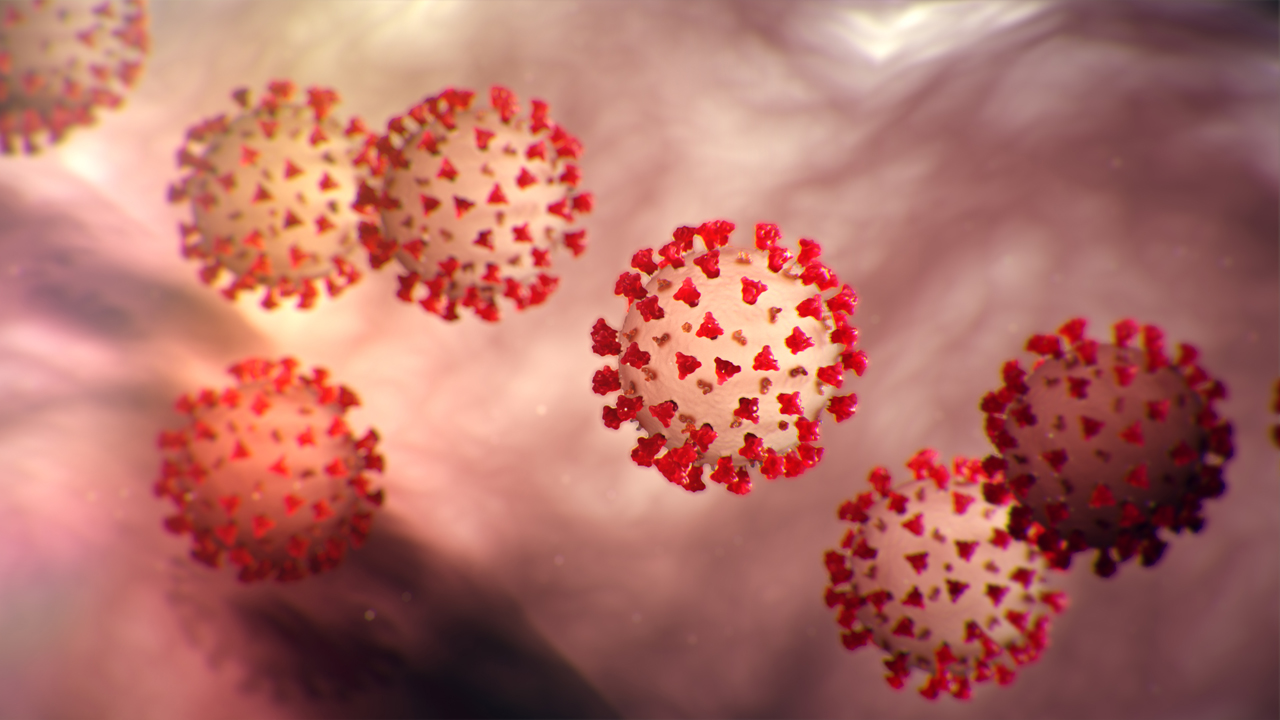
Whatever problem or issue a Muslim faces, he returns back to Allāh and his Messenger for guidance. Recently, humanity is suffering from corona virus which is spreading worldwide, affecting the lives of people, and causing death to others.
As Muslims, we admit that trials and tribulations are part of life, this is something that Allāh informs us of and warns us so that when we are afflicted, we remember that it is ultimately Allāh who controls of our affairs. It is He who will provide help and His knowledge of our affairs surpasses our restricted intellect. As He says in the Qur’ān: “Do you think you that you will enter Paradise without such [trials] as came to those who passed away before you? They were afflicted with severe poverty and ailments and were so shaken that even the Messenger and those who believed along with him said, ‘When [will] the Help of Allāh [come]?’ Yes! Certainly, the Help of Allāh is near!”
Allāh sends us tests to see how we will react and handle them. How are we going to respond?
So how do we respond to a calamity? Allāh’s answer is: “Who, when disaster strikes them, say, ‘Indeed we belong to Allāh, and indeed to Him we will return.’”

The concept of pre-destination is extremely important for a Muslim to understand. When incidents such as the corona virus occur, a Muslim should know that this is what Allāh had decreed 50,000 years before the creation of the universe. The Prophet (peace be upon him) explained:“Allāh had written the ordained measures (and due proportions) of the creation, fifty thousand years before the creation of the heavens and the earth…” [1]
All good and bad is from Allāh, as is mentioned in the Hadeeth of Jabir: ‘No slave of Allāh will truly believe until he believes in al-Qadr; its good and bad from Allāh, and until he knows that what has befallen him was not going to miss him and that what missed him was not going to befallen him.’ [2]

A Muslim should not overreact; at the same time, he should not be oblivious about a situation and do nothing!
Taking the necessary means and then relying upon Allāh is something which is emphasized in Islam.
Many of the health guidelines given by the NHS are in fact normal practices for Muslims, some of which are as follows:
1. Washing hands: this is a part of ablution, a Muslim’s daily ritual of purity.
2. General cleanliness: the Prophet (peace be upon him) said: “Cleanliness is part of faith”. Keeping our surroundings tidy, cleaning up after ourselves, and wiping surfaces down are all aspects of cleanliness which must be adhered to in these situations.
3. Covering your mouth when sneezing. The Prophet would cover his mouth when he sneezed. This basic etiquette can take big part in the stopping of the spread of viruses
“Whenever the Messenger of Allāh (peace be upon him) sneezed, he would cover his mouth with his hand or a piece of cloth.”
4. Quarantine in times of viruses which can spread. The Prophet gave instructions on what to do if there is an outbreak. Abd al-Rahmān ibn ‘Awf that he said:“I heard the Messenger of Allāh (peace be upon him) say: “If you hear that it (the plague) is in a land, do not go there, and if it breaks out in a land where you are, do not leave, fleeing from it.”

The Prophet (peace be upon him) also taught us how to protect ourselves by maintaining our adhkar from the Sunnah. One such dua that he taught us was:
“In the name of Allāh with Whose name nothing can harm on earth or in heaven, and He is the All-Hearing, All-Knowing”
Always have a positive outlook regardless of the situation you’re in, this is what our Prophet Muhammad (peace be upon him) taught us. On that he said: “Amazing is the affair of the believer, verily all of his affairs are good and this is not for no one except the believer. If something of good/happiness befalls him, he is grateful and that is good for him. If something of harm befalls him, he is patient and that is good for him.”
The corona virus is a reminder to us all of our weak state. Regardless of our social standing and our financial position, we are helpless. Allāh says: “Mankind was created weak”.
Situations like this remind us to turn back to Allāh. Allāh controls everything and He is the one that can relieve us from our difficulties, we must return to Allāh and seek refuge in Him and ask for His protection.


*Complete article is found on the web site www.IslamiCity.com.
Notes: [1] Muslims [2] Tirmidhi [3] Tirmidhi

Anti-Racism: Prophet Muhammad’s Example

Dr. Graig Considine*

“All mankind is from Adam and Eve. An Arab has no superiority over a non-Arab, nor a non-Arab has any superiority over an Arab; also a white has no superiority over a black, nor a black has any superiority over white except by piety and good action” – Prophet Muhammad delivered his Last Sermon on the 9th of Dhu al-Hijjah, 10 AH (6 March 632) in the Uranah valley of Mount Arafat, during the Islamic pilgrimage of Hajj.

Relations between different ethnic and religious groups are deteriorating at a rapid pace. Muslims are pitted against non-Muslims and black and brown people are pitted against white.
What is needed now more than ever is a role model whose teachings counter bigotry and whose acts serve as a model for coexistence. I believe that role model is none other than Prophet Muhammad (PBUH).
Approximately 1,400 years before the Civil Rights movement in the US and the anti-apartheid campaign in South Africa, the Prophet Muhammad dealt with the issues of xenophobia and prejudice in Arabia. In this short piece, I highlight how the Prophet fought against the idea of judging individuals and groups based solely on their skin color and ancestry.
Prophet Muhammad’s anti-racist views are seen in his friendship with Bilal ibn Rabah, a black slave who rose to a leading position within the Muslim community of 7th century Arabia. One story relates how Muhammad defended Bilal after Abu Dharr Al-Ghifari, one of the Prophet’s companions, called Bilal “the son of a black woman.” Annoyed with this emphasis of identifying people by skin color, Muhammad criticized Abu Dharr by stating “you are the man who still has the traits of ignorance in him.”
The Prophet’s reference to Abu Dharr’s ignorance refers to the “pre-Islamic” state of jahiliyyah, an Arabic term meaning “the state of ignorance of Divine guidance.” This period of Arab history before Muhammad’s arrival was marked by “barbarism” and “lawlessness,” as described in the Quran. The Prophet’s anti-racist mentality helped lead Arabs out of this darkness and into the light by guiding them onto the path of justice and equality.

Bilal, who other Muslims referred to as “master” because of his knowledge and grace, became the muezzin of the Prophet, meaning that he was responsible for calling Muslims to the five daily prayers. In choosing Bilal for this honorable role, Muhammad demonstrated that social exclusion and subordination based upon skin color was not to be permitted in an Islamic society.
Before Muhammad revealed his message, Arabs were overly proud of their tribal and ethnic identities, so much so that tribes and ethnic groups became the social standard of society. The Prophet’s teachings changed all of that. He emphasized the importance of piety as the hallmark of respect. In challenging Abu Dharr, Muhammad showed that he was willing to rebuke even his closest companions if that person denigrated someone because of his or her ethnicity. The Prophet believed that this form of “tribalism,” or al-asabiyyah in Arabic, was cancerous because it drove people to ethnic loyalties even if that meant they supported oppression and injustice.

The Prophet’s Last Sermon at Mount Arafat in 632 AD is perhaps his most noteworthy manifestation of anti-racism.
In his speech, Muhammad stated that “An Arab has no superiority over a non-Arab, nor a non-Arab has any superiority over an Arab … a white person has no superiority over a black, nor does a black have any superiority over white except by piety and good action.”
The Last Sermon is the culminating point of Muhammad’s life. He challenged a disunited population that was constantly engaged in warfare by calling on people to unite under a banner of humanity. By distancing himself from the tendency to categorize others based upon ethnicity, the Prophet preceded the words of Martin Luther King Jr., whose “I Have a Dream” speech called for African Americans to be judged not by the color of their skin, but by the content of their character.

Muhammad’s message of anti-racism is especially important now in the US. Al-Hajj Malik El-Shabazz, the African American civil rights leader who is more commonly called Malcolm X, reflected Muhammad’s insistence on harmony. After he performed Hajj, the Islamic pilgrimage, El-Shabazz wrote home to his friends that all Muslim pilgrims in Mecca accepted the “Oneness of God.” He added that white people in the US should echo the Muslim pilgrims and “cease to measure and hinder and harm others in terms of their differences in color.” El-Shabazz’s anti-racism perspective mirrors Muhammad’s spirit of friendship and inclusivity. Like the Prophet, El-Shabazz is a role model for the anti-racism movement.

I consider Muhammad to be a quintessential anti-racist figure because he promoted peace and equality. Without a doubt, he advanced human rights in an area of the world that had no previous experience with this practice. Non-Muslims who belittle the Prophet have certainly not considered the examples highlighted above.
To further promote better relations between Muslims and non-Muslims as well as people of different skin colors, it is imperative that media outlets highlight Muhammad’s anti-racist ethos. Rather than being a divisive figure, Muhammad is an inspiration for those working to rid the world of the evil of racism.


*Complete article is found on the web site www.IslamiCity.com.
Dr. Craig Considine is a scholar, global speaker, media contributor, and public intellectual based at the Department of Sociology at Rice University. He holds a PhD from Trinity College – University of Dublin, an MSc from Royal Holloway – University of London, and a BA from American University in Washington, DC. Dr. Considine is a U.S. Catholic of Irish and Italian descent.
This article is adapted from the original publication in February 2015. His latest book, The Humanity of Muhammad: A Christian View, is scheduled for release on July 7, 2020. ( Source: Dr. Considine’s Blog )

هل أُعِدنا إلى الكهف؟

د. جمال عبد الستار

العدد الثالث والخمسون ربيع وصيف 2020

فجأة وبلا مقدمات أوقف الله تعالى سرعة انطلاق الحياة، وأعاد البشرية كلها إلى الكهف لتُدرِك لا لتترَك، لتنهض لا لتمرض، لتستيقظ لا لتنام، لتُبعث لا لتموت.
أوقفنا الله تعالى ليلفت انتباهنا جميعاً، وليسألنا جميعاً: أين تذهبون!!
أوقفنا ليخبرنا أن تلك الهموم والمشاغل والأعمال ليست حقيقية، وسوف تختفي جميعاً لحظة اختفاء قيمتها في نفسك، فأنت من ضخّمها ونفخ فيها وعظّمها.
أوقفنا الله تعالى ليذكّرنا بأنه الفعال لما يريد، وأن تلك القوة المادية التي خطفت أبصارنا، والتكنولوجيا المتطورة التي سلبت عقولنا، ليست إلا لعباً ولهواً، وأنه تعالى بمخلوق لا يُرى بالعين المجردة أوقف الكل عاجزاً أمام قدرته.
أوقفنا الله تعالى ليطهِّر قلوبنا من الاغترار بشبهات الملحدين، وتطاول الماديين، وتعالي المتغربين، وحمايتنا من التأثر بذيوع صيت التافهين.

الغربة:

أعادنا الله إلى الكهف ليذكّرنا بأن لنا في البيوت شركاء تعمقت الغربة بيننا رغم قربنا، وجفت ينابيع المحبة بيننا بسبب هموم المشاغل والمتاعب، وخفتت أحاسيس العطف والود وسط ضجيج الحياة وسرعتها الهادرة.
أعادنا الله إلى الكهف ليذكرنا بأن لنا أولاداً ربما كبروا ولم نتعرف عليهم بعد، وربما نضجوا ولم يأخذوا منا حظهم بعد، بل ربما لم نكتشفهم على حقيقتهم ولم نحسن التعرف إلى ملامحهم واهتماماتهم وأفكارهم وتطلعاتهم، فنحن بالنسبة لهم دائما مجرد ضيوف عائدين من عمل أو ذاهبين إلى عمل، نجلس معهم في البيت دون أن ننقطع عن استكمال الأعمال والاتصالات والمهام.
أعادنا الله تعالى إلى الكهف لنكتشف أن لنا أرحاماً مقطوعة لم توصل منذ زمن بعيد، وأصحاباً وأحباباً انقطعت بنا علاقتهم وغابت عنا مودتهم.
أعادنا الله إلى الكهف ليسأل أحدنا نفسه من أنا؟ هل أنا قطعت من العُمر كل هذه السنوات فعلاً؟ هل حققت إنجازات فعلية على هذه الأرض ستنتفع بها البشرية بعد موتي؟ هل أنا مستعد الآن للقاء الله مطمئناً لهذا اللقاء مشتاقاً إليه؟
أعادنا إلى البيت لنقعد فيه أصحاء قبل أن يقعدنا المرض أو الألم، لنستمتع بأهلنا وأولادنا وما زال لدينا بعض الصحة، وبعض الطاقة، وبعض الأمل.
أعادنا الله إلى الكهف أفراداً وأُسراً ومجتمعات ومؤسسات وتيارات ودولاً، ليس من أجل أن ننام في الكهف مئات السنين، بل من أجل أن نقوم بواجبات الكهف لكي نستعد للبعث من جديد.

لنراجع أنفسنا

حبسنا في الكهف لنراجع أنفسنا وتصوراتنا ومواقفنا ومنهجياتنا ونجدد العهد ونتخلص من أسباب الإخفاق، ونصدق في التوبة، ونتأهب لقيامة فتية جديدة. وكما قال ابن عطاء:
(ما نفع القلب مثل عزلة يدخل بها ميدان فكرة).
حبسنا في الكهف لنتلمس فيه رحمات الله تعالى: {فَأْوُوا إِلَى الْكَهْفِ يَنْشُرْ لَكُمْ رَبُّكُمْ مِنْ رَحْمَتِهِ وَيُهَيِّئْ لَكُمْ مِنْ أَمْرِكُمْ مِرْفَقًا} [الكهف: 16].
ولنعيد الصلة برسالة السماء الأخيرة إلى الأرض: {وَاتْلُ مَا أُوحِيَ إِلَيْكَ مِنْ كِتَابِ رَبِّكَ} [الكهف: 27].
ولنقوم بترميم العلاقات وتناسي الخلافات وتوثيق الصلات: {وَاصْبِرْ نَفْسَكَ مَعَ الَّذِينَ يَدْعُونَ رَبَّهُمْ بِالْغَدَاةِ وَالْعَشِيِّ يُرِيدُونَ وَجْهَهُ وَلَا تَعْدُ عَيْنَاكَ عَنْهُمْ تُرِيدُ زِينَةَ الْحَيَاةِ الدُّنْيَا وَلَا تُطِعْ مَنْ أَغْفَلْنَا قَلْبَهُ عَنْ ذِكْرِنَا وَاتَّبَعَ هَوَاهُ وَكَانَ أَمْرُهُ فُرُطًا} [الكهف: 28].
ولنعيد ذكر الله إلى القلوب الصدئة، والنفوس الخاوية، والعقول المضطربة، والعيون الزائغة والآذان المشوشة: {وَاذْكُرْ رَبَّكَ إِذَا نَسِيتَ وَقُلْ عَسَى أَنْ يَهْدِيَنِ رَبِّي لِأَقْرَبَ مِنْ هَذَا رَشَدًا} [الكهف: 24].
ولنتيقن أن رؤيتنا للمستقبل واستشرافنا لمعالمه لن تستقيم بمعزل عن مشيئة الله تعالى وحسن التوكل عليه: {وَلَا تَقُولَنَّ لِشَيْءٍ إِنِّي فَاعِلٌ ذَلِكَ غَدًا (23) إِلَّا أَنْ يَشَاءَ اللَّهُ …(24)} [الكهف].
ولنتفكر فيما أنعم به علينا، فنشكر له فضله، ونعترف بعظيم منته، ونحن نتلوا معاً: {مَا شَاءَ اللَّهُ لَا قُوَّةَ إِلَّا بِاللَّهِ} [الكهف: 39].
أعادنا الله تعالى إلى الكهف لنتعلم مع موسى والخضر – عليهما السلام – حكمة الله البالغة في كل حركة وسكنة، وموت وحياة، وعطاء ومنع.
ولننطلق مع ذي القرنين متمكنين من الأسباب، متعرفين على سنن الله الخلّاق، مستخدمين لها في التسخير، نحمل بها الخير للبشرية كلها.
وأخيرا فمن لم يحسن الإفادة من كهفه فلن تكون خسارته مفاجأة، ذلك لأنه لم يسمع تحذير ربه: {قُلْ هَلْ نُنَبِّئُكُمْ بِالْأَخْسَرِينَ أَعْمَالًا (103) الَّذِينَ ضَلَّ سَعْيُهُمْ فِي الْحَيَاةِ الدُّنْيَا وَهُمْ يَحْسَبُونَ أَنَّهُمْ يُحْسِنُونَ صُنْعًا (104)} [الكهف].

غابات مُصَغَّرة داخل حضانات فنلندا

ترجمة أ. دانة عبده جرادي*

العدد 54 شتاء 2021

يميل الأهل إلى الحماية المفرطة لأطفالهم، ظانّين أنّهم بذلك يبعدون عنهم الأمراض والضرر، فتراهم يعزلون أطفالهم عن الخروج إلى الطبيعة واستكشاف البيئة المحيطة بهم، والتعرف على الطبيعة وجمالها.
ولكن ماذا لو كان العكس هو الصحيح؟
“يعزّز خروج الطفل للّعب في الخارج صحته ونموّه”، هذا ما أظهرته دراسة فنلندية تم نشرها في صحيفة العلوم المتطورة (Science Advance).
بيّنت هذه الدراسة المصغّرة أنّ اللعب بالنباتات والشجيرات لمدة شهر، كفيل بتغيير جهاز المناعة لدى الأطفال.
ازداد التنوّع في البكتيريا الصحية على جلود الأطفال وداخل أمعائهم خلال فترة قصيرة من الزمن، وذلك عقب قيام معلمين ومعلمات ببناء غابة صغيرة في حضاناتهم، وتشجيع الأطفال على اللعب داخلها والاعتناء بالمحاصيل الموجودة داخل صناديق الزراعة.
عندما تمت مقارنة هؤلاء الأطفال وأطفال المدينة الذين يلعبون على الأرصفة والبلاط والحصى، وجد العلماء زيادة في نسبة خلايا المناعة (T-cells) ومؤشرات أخرى للمناعة موجودة في الدم، وذلك خلال ثمانية وعشرون يوماً.

صرحت عالمة البيئة مارجا روسلند (Marja Roslund) من جامعة هلسنكي (Helsinki) ما يلي: “وجدنا أن الميكروبات المعويّة الصحية لدى أطفال تلك الحضانات تتشابه مع الميكروبات المعويّة الصحيّة لدى الأطفال المعتادين على زيارة الغابة بشكل يومي”.
كما وأظهرت أبحاث أخرى أنّ التعرّض المبكّر للطبيعة يؤثر بشكل ما على تطور جهاز مناعة صحّي، ولكن لم يكن من الواضح إن كانت العلاقة سببية أم لا.
تُعتبر هذه الدراسة من أول الدراسات التي تقوم بتغيير البيئة المدنية المحيطة بالطفل بهدف فحص التغييرات الحاصلة في الميكروبات الصحيّة في جسمه وجهازه المناعي.
لم تحمل نتائج البحث جميع الأجوبة، ولكنها دعمت الفكرة الأساسية للبحث، والتي تصرّح أنّ تغيير طبيعة البيئة الميكروبية لدى الأطفال يحسّن من طبيعة البيئة الميكروبية داخل أجسامهم، وهذا يساعد جهاز المناعة على النموّ والتطوّر.

التنوّع الحيوي
يُعرف تأثير البيئة الغنية بالكائنات الحيّة على جهاز المناعة بـ “نظريّة التنوّع الحيوي”، وبناءً على هذه النظرية، يُعتبر نقص التنوّع الحيوي في المناطق المدنية مسبّب جزئي لارتفاع نسبة أمراض المناعة.
يقول الباحثون: “تدعم نتائج البحث نظرية التنوّع الحيوي، المبدأ الذي يقول أنّ قلة التنوّع الحيوي في المناطق المعاصرة قد يؤدي إلى نمو جهاز مناعي غير ناضج، ما يزيد من نسبة أمراض المناعة”.

طريقة الدراسة
أجريت الدراسة على عشر حضانات معاصرة في فنلندا تعتني بخمس وسبعين طفلاُ ما بين سن الثالثة والخامسة من العمر؛ بعض ملاعب تلك الحضانات مبنيّة من الإسمنت والحصى، في حين قامت أربع حضانات ببناء غابة صغيرة بدلاً من الحصى والإسمنت، أمّا باقي الحضانات فقاموا بأخذ أطفالهم إلى الطبيعة.
أعطى الباحثون الأطفال فرصة اللعب خمس مرات في الأسبوع ولمدة ثمانية وعشرين يوماً. كما فحص الباحثون نسبة الميكروبات الصحية في أمعاء الأطفال وعلى جلودهم قبل وبعد بدء البحث.

نتائج البحث
وجد العلماء تحسّن في نسبة الميكروبات الصحيّة مقارنة بالأطفال الذين لعبوا على الإسمنت والحصى.
رغم قصر هذا البحث من حيث المدّة الزمنية، إلّا أنّ الباحثين وجدوا ميكروبات صحية لدى هؤلاء الأطفال تكون موجودة عادةً داخل أجسام الأطفال الذين يتعرضون للطبيعة الخضراء بشكل يومي.
كما وجد العلماء نمو نوع من البكتيريا تسمى البكتيريا الغامابروتينية (gammaproteo bacteria)، التي تعمل على تقوية جهاز المناعة لدى الانسان. ووجد الباحثون زيادة في نسبة المؤشرات المناعية في الدم، وانخفاض نسبة الانترلوكيين 17_أ (Interleukin 17-A)، والذي يلعب دوراً في أمراض المناعة.
يقول عالم البيئة آكي سنوكين (Aki Sinnoken): “تدعم هذه النتائج فرضيّة بأنّ التعرض للطبيعة يمنع أمراض جهاز المناعة، كالحساسية وأمراض جهاز المناعة الذاتي”.
كما وبحثت الدراسة في بصر الأطفال وصحتهم النفسية، وأظهرت دراسات أخرى تغير هيكلي في دماغ الطفل الذي يتعرض للطبيعة.
لم يُعرف السبب المباشر بعد لهذه النتائج الإيجابية، قد يكون استنشاق الهواء النقي أحد الأسباب، أو التعرض لأشعة الشمس، أو الزيادة في تحريك الجسم، أو وجود راحة للبال حول الطبيعة.
رغم أنّ حالات الربو والحساسية لدى الاطفال الذين يعيشون في القرى قليلة، إلّا أنّ الدراسات التي تربط بين المساحة الخضراء وجهاز المناعة متناقضة.

سلبيات البحث
حجم العينة في هذا البحث قليل، كما وجد الباحثون علاقة ولم يجدوا سبباً. ولم يستطع الباحثون السيطرة على ما يفعله الأطفال خارج الحضانة. وعلى الرغم من ذلك، فإن التغيرات الإيجابية التي تمت ملاحظتها كانت كافيه ليقوم علماء فنلندا بإعطاء النصائح والإرشادات.

النصائح والإرشادات
يصرّح سنوكين مشجعاً: “من الأفضل للأطفال أن يلعبوا بالطين والتراب العضوي، ومن الأفضل أن نأخذ أطفالنا إلى الطبيعة خمس مرات في الأسبوع لكي يتعرضوا للكائنات الحيوية. التغيرات بسيطة والأضرار قليلة والفوائد كبيرة”.
كما يعتبر تفاعل الأطفال مع الطبيعة مفيداً لمستقبل الأرض؛ حيث أظهرت الدراسات أن اللعب خارجاَ يزيد من احتمالية نشأة هؤلاء الأطفال ليصبحوا علماء بيئة، وهذا ما يحتاجه كوكب الأرض، خاصة مع التغيرات الكبيرة التي تحصل.
وينصح بالنهاية سنوكين بتلقيح الأطفال من مرض الكزاز قبل اللعب في الطبيعة.


*أخصائية تغذية وصحة عامة، وعضو في منتدى الإعجاز العلمي في القرآن والسنة في لبنان
ترجمة لمقالة تحت عنوان “Daycares in Finland Built a ‘Forest Floor’, And It Changed Children’s Immune Systems” لـ “كارلي كاسيلا” (CARLY CASSELLA) نُشرت على موقع Science Alert بتاريخ 22 تشرين الأول 2020، رابط المقالة: https://bit.ly/32ywIzx